A protective style does exactly what the name says: it tucks your ends away from friction, weather, and daily handling so the oldest, most fragile part of the hair gets a break. Braids, twists, sew-ins, and similar styles can help you keep length in Belmont, but only if the hair underneath is cared for on a schedule. The style protects. It does not maintain itself.
The most common mistake is treating an install as a pause button. Hair keeps shedding, the scalp keeps producing oil, and the ends hidden inside the style are still the same ends that were dry the day it went in. Choosing well means matching the style, the wear time, and the trim timing to the condition your hair is in right now, not the condition you hope it will be in later.
Start with the ends you already have
Before any protective style goes in, look honestly at the last few inches. Ends that are already splitting, thinning, or breaking will not repair themselves under a style. They will keep splitting upward, out of sight, for the entire wear period. A light trim before the install costs you very little length and means the hair being tucked away is hair worth keeping.
This is also the moment for a thorough cleanse and conditioning. Product buildup, shed hair, and a dry scalp all get sealed in along with the style, and fixing them mid-wear is awkward at best. Clean, moisturized hair going in means fewer problems to untangle, literally, when the style comes out.

Choosing a style by situation
Not every protective style suits every head, every job, or every season. The right choice depends on how long you plan to wear it, how much daily handling your routine allows, and how your scalp tends to behave.
| Situation | Style direction | Wear and trim note |
|---|---|---|
| You want the longest break from daily styling | A low-tension braided style with ends fully tucked | Keep to a moderate wear window and moisturize the scalp weekly |
| Your edges or hairline are fragile | Looser twists or a style that leaves the hairline free | Avoid tight tension at the front; check edges at every wash |
| You swim or exercise often | A style that rinses and dries fully without trapping water | Rinse after swimming and dry the base thoroughly to prevent odor and buildup |
| Your ends were damaged before the install | Trim first, then choose a shorter wear period | Do not use a long install to postpone a trim the hair already needs |
| You are growing out color or relaxed hair | A style that hides the line between textures without heat | The meeting point of two textures is fragile; handle takedown slowly |
Care while the style is in
Scalp care does not stop during an install. Wash on a regular schedule using a diluted shampoo applied to the scalp, rinse well, and make sure the base of the style dries completely afterward. Trapped moisture against the scalp for days at a time is what leads to itching, flaking, and that sour smell people blame on the style itself.
Moisture for the hair inside matters too. A light leave-in or oil applied along the parts a few times a week keeps the tucked hair from drying out. In a Belmont summer, humidity makes hair feel soft on the surface while the lengths inside a style can still be dry, so go by how the hair feels at takedown practice runs, not by the weather.
Takedown and the trim that follows
Plan the takedown like an appointment, not an afterthought. Work in sections, detangle each one fully before moving on, and expect a surprising amount of shed hair. Hair sheds daily whether it is loose or styled, so weeks of normal shedding come out all at once. That pile is usually not breakage.
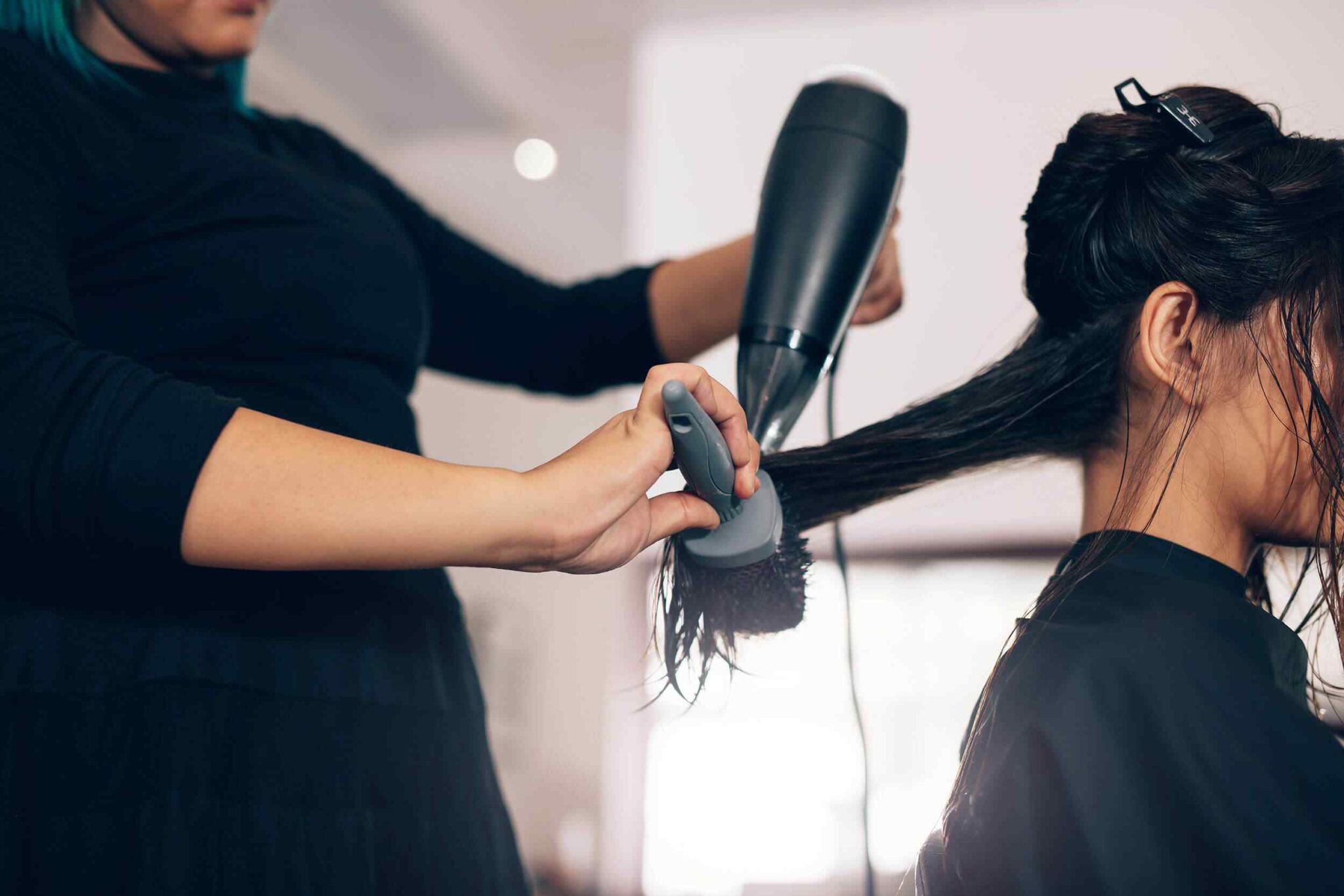
Once the hair is out, washed, and detangled, that is the honest moment to trim. The ends have been hidden for weeks, and a stylist can now see exactly what kept its integrity and what thinned out. At Lou Charles Studio, booking the trim to land right after takedown, rather than right before the next install weeks later, keeps small losses from becoming a big chop. Alternate the pattern across the year: style, takedown, trim, rest period with the hair loose, then style again. Hair that never gets a loose rest period rarely gets an honest inspection either.
Common questions
How long can I leave a protective style in?
Most styles are best kept to a moderate window of several weeks. Past that, buildup, matting at the base, and new growth pulling against the style start to cost more length than the style saves.
Should I trim before or after a protective style?
Both have a place. A light cleanup before the install removes ends that would keep splitting while hidden, and a proper assessment trim after takedown catches anything that thinned during wear.
Why did I lose so much hair at takedown?
Usually it is accumulated shed hair, which is released all at once instead of a little each day. True breakage looks different: short, uneven pieces rather than full-length strands with the root attached.
Photos in this guide are representative stock images.
← All guides from Lou Charles Studio← Back to Lou Charles Studio